
Roofing Projects Requiring Coordinated Multi-Trade Work
General contracting in Philadelphia for roofing renovations, storm damage reconstruction, and insurance claim projects involving more than one trade
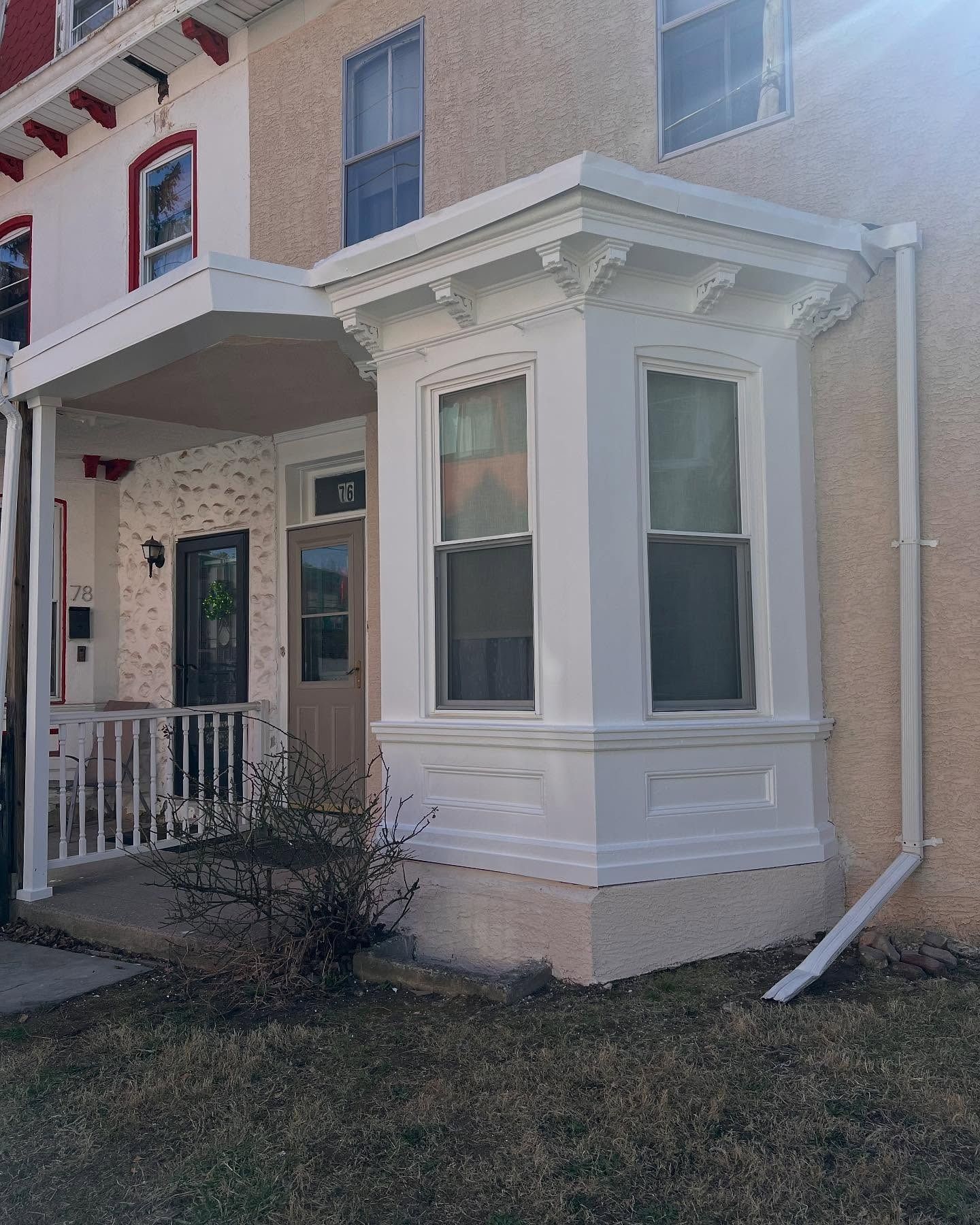
Project coordination breaks down when a roofing job crosses into structural repair, interior work, or damage recovery and no single contractor holds responsibility for the full scope. White's Roofing and Contracting LLC operates as general contractor on roofing-related projects that extend beyond installation and repair—handling material sourcing, crew coordination, and project sequencing for jobs where multiple trades need to work in the right order to avoid rework and delays. This is particularly relevant in Philadelphia, where attached row homes and multi-unit buildings mean structural repairs, shared walls, and occupied-building logistics frequently complicate what would otherwise be a straightforward roofing scope.
The general contracting role involves managing the full project from initial scope development through material procurement and on-site coordination. For insurance claim reconstruction, that means working within the approved claim scope while managing subcontractors and material lead times so that the reconstruction moves in a sequence that does not leave open structure exposed longer than necessary. For renovation-driven roofing work, the coordination centers on ensuring that roofing, framing, and interior finishing trades are not working against each other at the same phase of the project.
Request a project scope review to identify which trades need to be coordinated and what sequencing the work requires before a timeline is set.
The Difference Between Roofing and Managing a Roofing Project
A general contracting engagement differs from a roofing installation contract in one fundamental way: the contractor is accountable for the outcome of the entire scope, not just the work performed by a single crew. That accountability requires a working knowledge of how roofing, framing, waterproofing, and interior trades interact—particularly on storm damage projects where the sequence of work determines what the insurance adjuster inspects and in what condition. White's Roofing and Contracting LLC brings eight years of market experience managing roofing and structural projects, which informs how scopes are built and how material procurement is timed relative to crew availability.
Once a project is completed under general contractor oversight, the visible result is a closed and weather-tight structure with no outstanding punch list items between trades—no flashing left incomplete because the roofer finished before the framer, no interior patching deferred because the roofing membrane was not fully installed before the drywall crew arrived. The coordination work that happens before any material is installed is what determines whether the finished project holds together or requires follow-up visits to close gaps between trade scopes.
On Philadelphia properties with shared structural elements—particularly the party walls and connected roof decks common in the city's block-row construction—the general contracting scope often includes confirming that adjacent properties will not be disturbed or exposed during the work, which requires planning the construction sequence before the first piece of material is removed.
Common Questions About How the Work Is Managed
These questions address how general contracting is structured for roofing-related projects in Philadelphia, where property type, building configuration, and insurance claim involvement all affect how a multi-trade scope is planned and executed.
What does general contracting include that a standard roofing contract does not?
General contracting covers project coordination across multiple trades, material sourcing and procurement scheduling, subcontractor management, and oversight of the full construction sequence—not just the roofing installation itself.
How is an insurance claim reconstruction project scoped and managed?
The approved claim serves as the baseline scope document; the contractor then sequences the work so that structural repairs, roofing, and interior work proceed in the order the insurance adjuster's documentation requires, with material deliveries timed to keep the project moving without leaving open structure unprotected between phases.
Why does the construction sequence matter on Philadelphia row home projects?
Row homes share party walls and often have connected roof structures, meaning the order in which demolition, framing repair, and waterproofing are performed directly affects whether adjacent units remain protected throughout the project—the wrong sequence can expose a neighbor's interior to weather while the primary project is still in progress.
What information should be ready before a general contracting scope is developed?
The existing condition of the structure, any active insurance claim documentation, and a clear description of the intended end state are the starting points; projects with significant structural damage also benefit from a framing assessment before the scope is finalized so that hidden damage does not expand the project mid-construction.
How does material sourcing work on a general contracting project versus a standard installation?
On a general contracting project, materials for multiple trades are procured on a coordinated schedule so that each crew has what it needs when it arrives on site—sourcing is planned around the construction sequence rather than ordered all at once, which reduces material handling and storage problems on tight urban lots.
White's Roofing and Contracting LLC is available to review your project scope, identify which trades are involved, and develop a coordination plan before construction begins. White's Roofing also provides general contracting services in Bristol.