
Storm Damage That Goes Undocumented Costs More Later
Storm damage roof repair in Philadelphia for wind, hail, or impact damage that may not be visible from the ground
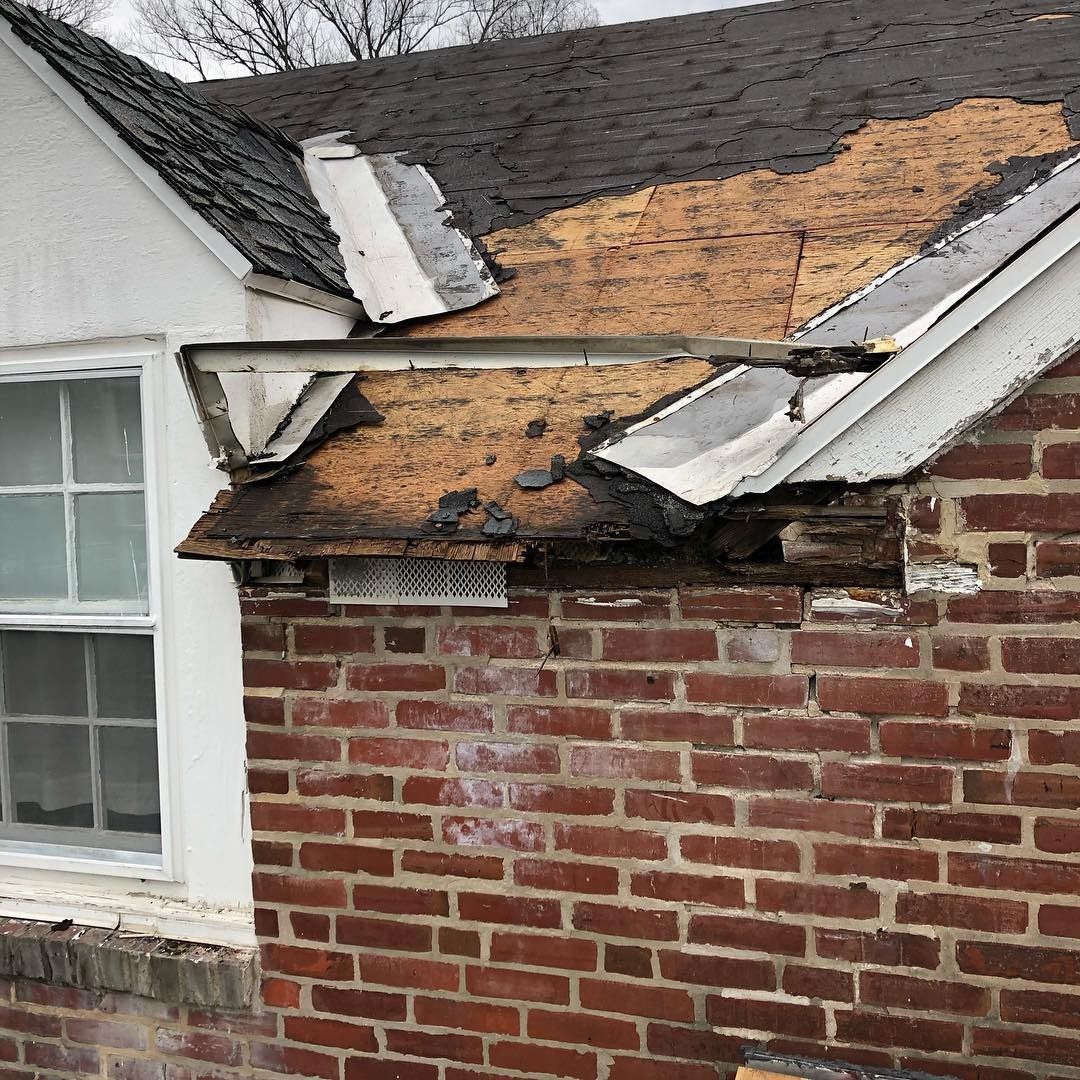
What hail and high wind leave behind on a roof is not always visible from the street, and damage that looks minor in the first days after a storm often reveals its full extent once interior moisture follows the compromised path through insulation and sheathing. White's Roofing & Contracting LLC has operated in Philadelphia for eight years assessing and repairing storm and hail damage across the region, including the inspection and insurance documentation process that determines whether a claim is approved and at what scope. Property owners who walk away from a storm thinking the roof held may find water staining months later from shingle bruising that was never surfaced or documented.
The inspection process covers both the roof surface and the attic interior. Hail impact creates bruising that loosens the granule bond without immediately lifting or cracking the shingle—visible on the surface as soft depressions but only confirmed as damage when the pattern is mapped across the field and compared against control areas. Wind uplift can break the adhesive seal along shingle tabs without removing them, leaving shingles that look intact but no longer overlap correctly. Both conditions require an attic check to determine whether moisture has already begun tracking through.
Contact White's Roofing & Contracting LLC to schedule a post-storm inspection and get a documented assessment of your roof's condition before filing a claim.
What the Storm Damage Assessment and Repair Process Covers
White's Roofing handles documentation and adjuster coordination directly with the property owner, which means the inspection findings are organized in a format that supports the insurance claim workflow rather than leaving the owner to translate a contractor report into claim language. The inspection identifies and documents each affected component—shingle fields, flashing, ridge caps, vents, and gutters—because hail and wind rarely limit their impact to one material. A claim submitted with incomplete documentation of ancillary damage often results in a settlement that covers only the most obvious items.
After the claim process is complete and repairs are approved, work addresses the documented damage in the correct sequence: underlying sheathing and moisture barriers are addressed before new surface materials are installed. Property owners should see no further interior water intrusion at the repaired locations, and the roof surface should show consistent granule coverage without the bare or bruised patches that indicate active shingle degradation.
Repairs to components outside the roofing system—gutters bent or separated by hail impact, fascia damaged by wind-driven debris—are documented as part of the same inspection and included in claim paperwork when applicable. Separating gutter damage from roof damage during documentation is a common gap in storm inspections that results in those repairs being paid out of pocket rather than through the claim.
Questions Before Starting Your Storm Damage Project
The following questions address how storm damage inspection and repair works, what the process involves, and what to look for in completed work.
What does hail damage actually look like on an asphalt shingle roof?
Hail impact creates circular depressions in the shingle surface where granules have been displaced, exposing the underlying mat. When mapped across the field, these impact marks appear in a pattern that corresponds to hail size and storm direction, which distinguishes storm damage from normal granule wear or manufacturing variation.
How does wind damage differ from hail damage during a roof inspection?
Wind damage typically appears as broken adhesive seals along shingle tabs, lifted or displaced shingles, and in severe cases, complete shingle removal. Unlike hail, which affects the field uniformly, wind damage is often concentrated at ridge caps, rake edges, and corners where uplift forces are highest, and those are the locations examined first in a wind damage assessment.
Why is an attic inspection part of storm damage assessment?
The attic reveals whether moisture has already entered through a compromised shingle or flashing before exterior repairs begin. In Philadelphia rowhomes with low-slope rear sections or flat roofs over additions, interior moisture can migrate quickly across sheathing, and the attic check confirms the full extent of intrusion before repair scope is finalized.
How is storm damage documentation prepared for an insurance claim?
Each damaged component is photographed, measured, and described in a format that matches the categories used in standard insurance claim adjustments. White's Roofing coordinates directly with the property owner during the adjuster visit to confirm that all documented damage is reviewed during the adjustment rather than relying on the adjuster's independent inspection alone.
What separates properly repaired storm damage from a surface-only patch?
A complete repair addresses the moisture barrier and sheathing beneath any breached surface material before new shingles or flashing is installed. A patch that covers visible damage without checking what is below leaves saturated or weakened sheathing in place, which compromises the new material's adhesion and allows degradation to continue from underneath.
White's Roofing & Contracting LLC manages the full storm damage process from inspection through repair completion, with documentation that supports the insurance claim from the first assessment. White's Roofing also handles storm damage repair in Bristol and across the Delaware Valley. Call (267) 235-8592 to set up a post-storm inspection for your property.