
Hidden Leaks Require More Than a Roof Walk
Roof leak detection in Philadelphia for water intrusion that has not been traced to a confirmed source
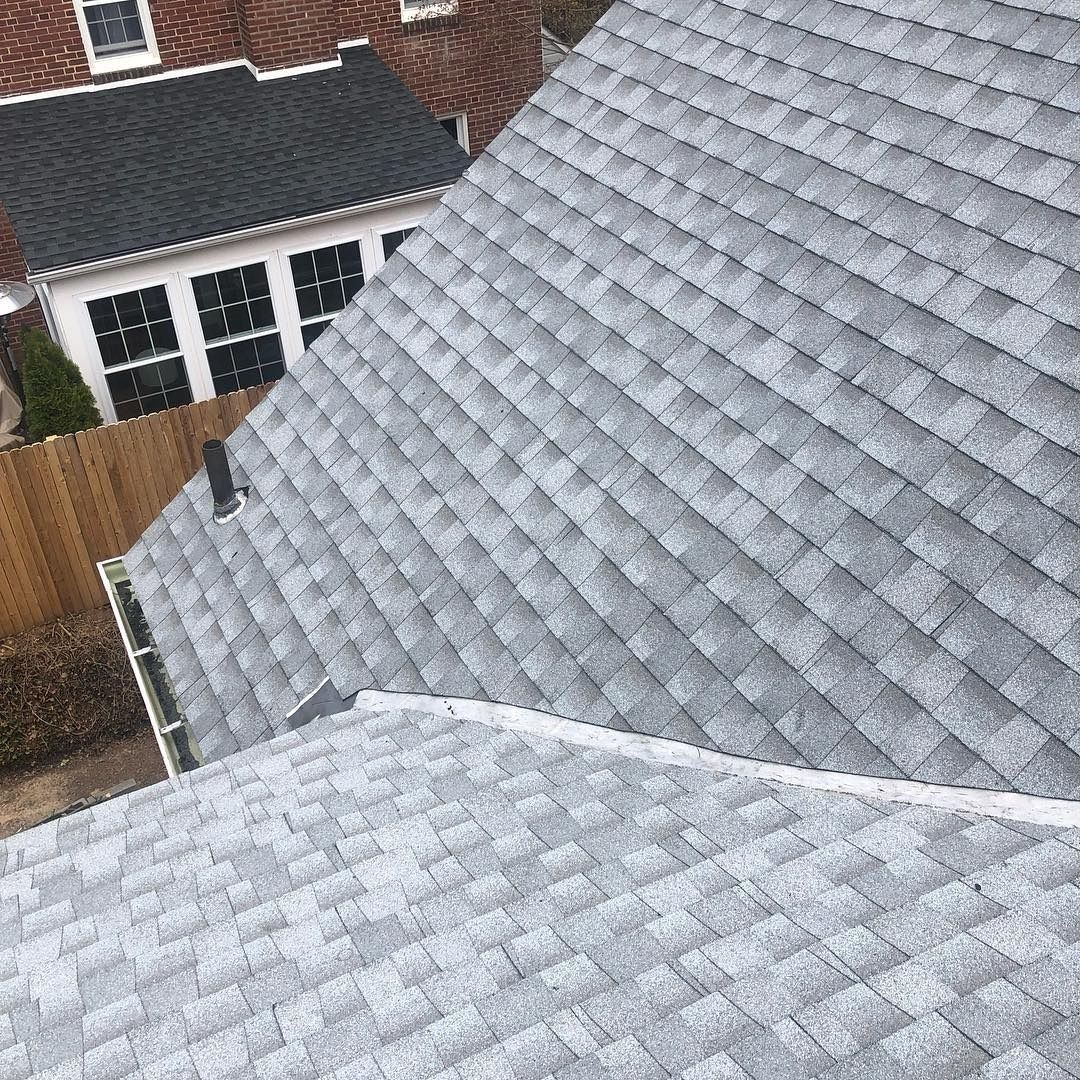
Water stains on a ceiling or wet insulation in an attic tell you a leak exists—they do not tell you where it entered or how far it has traveled. White's Roofing & Contracting LLC locates roof and gutter leaks in Philadelphia through an attic-first inspection process that traces the water path from the interior before moving to the roof surface. This sequencing matters because water entering through a failed flashing at the chimney base or a split in a rubber penetration boot can travel several feet along a rafter before dripping down, which means the ceiling stain below is rarely directly under the entry point.
The inspection begins in the attic, where moisture staining on sheathing, daylight through penetrations, and the condition of insulation around pipe boots and valley flashing reveal where intrusion is occurring and how long it has been active. That interior evidence then directs the exterior examination to specific zones rather than a general roof walk. Penetrations, flashing conditions, missing or cracked shingles, and rubber splits at mechanical openings are the primary targets once the interior trace is complete.
Schedule a leak detection inspection to identify where water is entering and what the repair scope involves.
Why Starting in the Attic Finds What a Roof Walk Misses
A roof walk identifies obvious surface damage—missing shingles, lifted flashing, exposed underlayment—but it does not reveal whether a shingle that looks intact has lost its adhesion along the tab, or whether step flashing at a dormer wall has separated from the counterflashing above it. Attic inspection catches both conditions because moisture staining on the sheathing directly behind those locations confirms active intrusion even when the exterior shows no obvious breach. White's Roofing documents findings from both the attic and the roof surface, connecting interior evidence to exterior causes so the repair is targeted rather than speculative.
After detection is complete, the property owner has a clear map of where water is entering, what material or condition is responsible, and what the repair involves. That documentation also removes the guesswork from repair pricing, since the scope is defined by physical evidence rather than an estimate based on surface appearance alone.
Detection findings may reveal more than one entry point, particularly on Philadelphia rowhomes where multiple roof planes, shared party walls, and interior drainage systems create several potential failure zones. Each identified entry point is documented separately so repairs can be prioritized by severity and addressed in the correct sequence rather than all at once if the scope is large.
Common Questions About How Leak Detection Works
The questions below cover how the detection process is performed, what it involves, and what property owners receive once the inspection is complete.
Why does the inspection start in the attic rather than on the roof surface?
Water travels along the path of least resistance once it enters the roof assembly, which means the entry point is often several feet from where it first appears inside. Attic sheathing retains moisture staining and sometimes active wet zones that identify the travel path, directing the exterior inspection to the correct zone rather than requiring a full surface examination.
What specific conditions does the attic inspection look for?
Inspectors look for moisture staining or dark discoloration on roof sheathing, daylight visible through gaps around penetrations, degraded or saturated insulation, and any evidence of past repairs that may have failed. The pattern and location of staining indicate whether intrusion is from a penetration, a valley, step flashing, or the field of the roof itself.
How are flashing failures identified during a roof leak inspection?
Flashing is examined at each transition point—chimney bases, dormer walls, skylights, and pipe penetrations—for separation, corrosion, improper lapping, or missing counterflashing. Step flashing on Philadelphia rowhomes that share party walls is a frequent failure zone because it spans multiple planes and is difficult to inspect without accessing the attic first.
What happens when more than one leak source is found during detection?
Each entry point is documented separately with its location, likely cause, and condition. The documentation allows repairs to be prioritized by severity—an active penetration leak causing insulation saturation takes precedence over a minor seam gap that is not yet producing interior moisture—and the property owner can decide how to sequence the work.
How do you confirm the leak source has been correctly identified before repairs begin?
The interior staining pattern is matched against the exterior location of the suspected failure, and the two must align logically for the diagnosis to be confirmed. When staining and exterior evidence do not align cleanly, additional investigation of the water travel path is performed before any repair recommendation is made.
White's Roofing & Contracting LLC provides detailed findings from every leak detection inspection so property owners understand both what was found and why. White's Roofing also performs leak detection in Bristol and throughout the Delaware Valley. Call (267) 235-8592 to arrange an inspection for your property.