
Repairs That Find the Source, Not Just the Stain
Roof repair in Philadelphia for active leaks, storm damage, and flashing failure that surface-only inspections miss
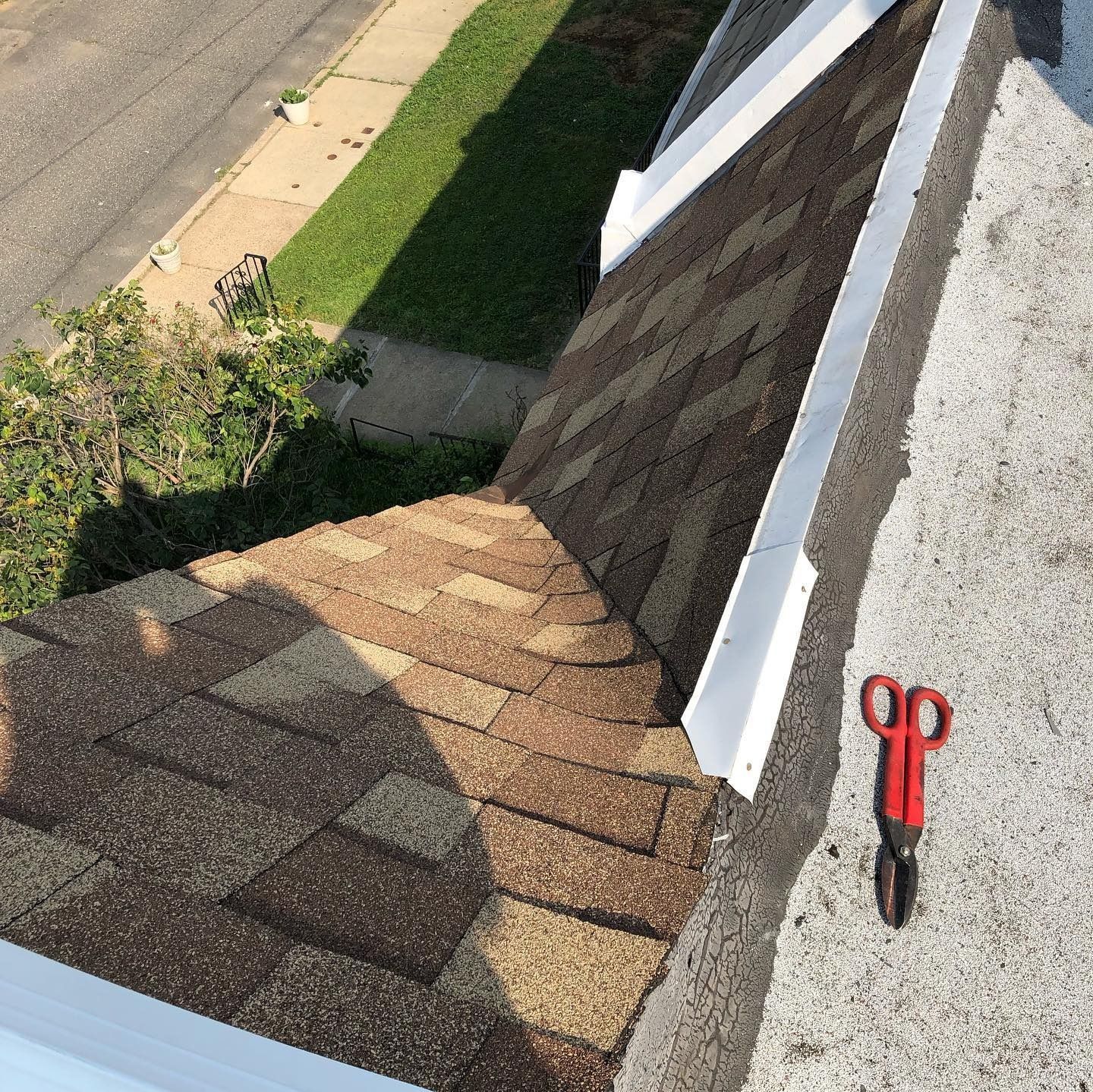
A water stain on a ceiling tells you water arrived—it rarely tells you where it entered. That gap between symptom and source is where poorly scoped roof repairs fail, and it's the reason White's Roofing & Contracting LLC builds every repair diagnosis around an attic assessment rather than a surface walk alone. Most competitors step onto the roof, look for visible damage, and quote what they can see. White's Roofing goes underneath first, identifying where moisture has tracked through the decking before confirming the entry point above.
The inspection sequence matters because Philadelphia's older building stock—much of it constructed between the 1920s and 1960s—uses board sheathing and built-up roofing systems that absorb and redistribute water differently than modern plywood decks. A leak that appears above a rear bedroom may have entered at a flashing joint twenty feet away and traveled along a rafter before dripping through. The attic check traces that path, and the surface inspection that follows is more precisely targeted as a result. Common failure points in this building era include step flashing at parapet walls, deteriorated pipe boot collars, and shingle tabs that have lost adhesion at the seam.
Arrange an in-person inspection to get a documented diagnosis before any repair work is authorized.
Why Proper Roof Repair Requires Both Surfaces
Flashing failure accounts for a disproportionate share of recurring leak calls on Philadelphia rowhouses and twin homes—not because flashing is difficult to install, but because it is frequently repaired at the surface without addressing the backing condition behind it. When mortar raked out of a parapet cap has allowed movement over years, resealing the flashing face leaves the underlying separation intact. White's Roofing & Contracting LLC's repair approach addresses both the visible failure and the condition that allowed it to develop.
After a correctly scoped repair, the attic shows no active moisture transfer at the previously affected decking, interior staining stops spreading, and the repaired penetration or flashing joint holds through subsequent rain events without reactivating. Those are observable markers that the source was addressed rather than covered.
White's Roofing also carries specific experience with storm damage documentation for insurance purposes—hail impact, wind-lifted tabs, and storm-driven water intrusion each produce distinct damage patterns that require specific documentation for a claim to move forward. That documentation is part of the inspection output when storm damage is the suspected cause.
Answers About How the Repair Work Is Done
Roof repair questions on Philadelphia properties often involve older construction details that affect both diagnosis and method—these answers address the work itself rather than scheduling or pricing.
How does the attic inspection improve the accuracy of a repair diagnosis?
Water that enters through a roof penetration or flashing gap travels along decking and framing members before dripping into living space, so the point of visible interior damage is rarely directly below the entry point—starting in the attic identifies the travel path and narrows the surface search.
What are the most common repair needs on Philadelphia rowhouses built before 1960?
Step flashing at parapet walls, cracked or missing pipe boot collars, and shingle adhesion failure at bottom tab seams are the most frequently diagnosed issues on mid-century construction in this market.
How is hail damage different from normal shingle wear, and why does it matter for repair scope?
Hail impact creates discrete bruising marks on shingle granule layers that standard wear does not produce—identifying those marks correctly determines whether localized replacement is sufficient or whether the pattern indicates broader field damage requiring more extensive work.
What does a correctly repaired flashing joint look like once the work is finished?
The metal should be fully seated against the wall or penetration surface with no visible gap at the seam, and sealant—where used—should be applied as a secondary line of defense rather than the primary bond holding the flashing in place.
When should a repair be scoped as a full section replacement rather than a patch?
When decking beneath the damaged surface shows softness, delamination, or visible moisture staining across more than a few square feet, replacing only the surface material leaves a compromised substrate—at that point, the section typically warrants full tearoff rather than overlay repair.
White's Roofing & Contracting LLC performs roof repair across Philadelphia and brings the same attic-first inspection process to every job regardless of scale. White's Roofing & Contracting LLC also performs roof repair in Bristol and across the Delaware Valley. Connect with the team to schedule an on-site inspection and receive a documented assessment of the damage and its source.