
Roof Problems Start Where You Cannot See Them
Roof inspection in Philadelphia for damage that is invisible from the ground or missed in a surface-only assessment
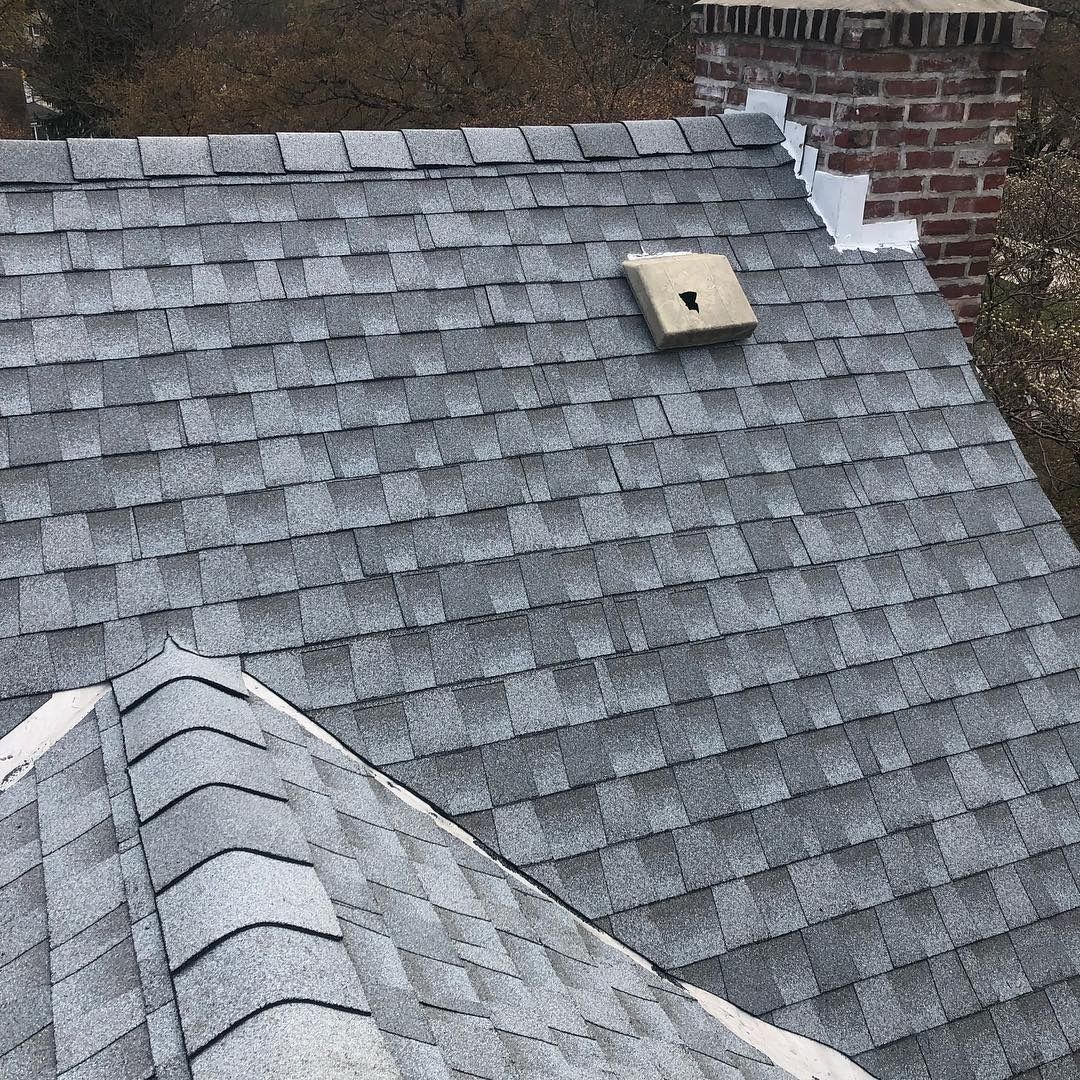
What the roof surface shows from the ground—or even from a standard walk—is a fraction of what a thorough inspection needs to cover. White's Roofing & Contracting LLC provides roof inspection in Philadelphia that includes both the exterior surface and the attic interior, a combination that identifies damage patterns competitors miss when they limit assessment to what is visible from above. Philadelphia's housing stock includes a substantial share of rowhomes, twins, and older detached properties where attic access reveals ventilation problems, sheathing deterioration, and active moisture intrusion that a surface walk cannot detect, and where those conditions are more likely to be present in buildings constructed before modern vapor barrier standards.
The inspection covers the full roof surface for shingle condition, flashing integrity, ridge cap adhesion, and penetration seals, then moves to the attic to check for moisture staining on sheathing, insulation saturation, ventilation obstruction, and structural concerns at rafters and decking. The attic component is what separates a diagnostic inspection from a general visual check—hidden shingle bruising, failed step flashing, and early-stage rot in the sheathing are all conditions that show up in the attic before they produce interior symptoms. White's Roofing offers free inspections to give property owners accurate information before deciding on next steps.
Set up an inspection to get a full surface and attic assessment with documented findings you can use to make informed decisions about your roof.
What a Complete Roof Inspection Actually Covers
The exterior portion of the inspection works through the roof plane systematically—not just at obvious failure points. Ridge caps are examined for separation and granule loss, which accelerates at the highest point of the roof where heat is most concentrated. Valley flashing is checked for corrosion, lifting, or underlayment exposure where two planes meet, since those transition zones collect water flow from both directions. Each penetration—pipe boots, vent covers, chimney base flashing—is examined for seal integrity and counterflashing overlap, because penetration failures are among the most common sources of active leaks that do not present obvious exterior damage.
Once the interior inspection is complete, property owners receive findings that describe specifically what was observed, where, and what it indicates about repair urgency. A report that identifies a deteriorating pipe boot seal is more actionable than a general note about roof condition, because it names the component, the location, and the consequence of leaving it unaddressed. That specificity allows the property owner to prioritize repairs based on actual risk rather than estimated age or general appearance.
Inspection findings are documented separately from any repair recommendation, so the assessment stands on its own as an accurate record of roof condition. Property owners who have recently purchased a home or are preparing to sell benefit from having a documented baseline that reflects actual material condition rather than the age estimate that often substitutes for inspection data in real estate transactions.
What Property Owners Ask About the Inspection Process
These questions address how the roof inspection is conducted, what is examined, and how findings are communicated once the work is complete.
What is examined during the attic portion of a roof inspection?
The attic check covers moisture staining on roof sheathing, insulation condition around penetrations and at the eaves, rafter integrity, and ventilation adequacy. Sheathing that shows staining along a specific rafter line indicates a directional water path that can be traced back to its entry point more precisely than ceiling damage in the room below allows.
How does shingle bruising from hail get identified during an inspection?
Hail bruising appears as soft circular depressions in the shingle surface where granule adhesion has been broken. Inspectors press the surface of suspect areas to feel for the softness that distinguishes impact damage from manufacturing dimples or normal surface texture. The pattern of impacts across the roof field is mapped and compared to control areas away from the field to confirm storm origin.
What flashing conditions cause the most frequent failures on older Philadelphia properties?
Step flashing at dormers and chimney bases is the most common failure point on rowhomes and twins built before the 1970s, where original flashing was often set in roofing cement rather than mechanically fastened and lapped. That cement dries out and cracks over time, allowing water to migrate behind the flashing at the wall junction without producing immediate visible damage from inside.
How does roof ventilation affect what is found during an attic inspection?
Restricted ventilation allows moisture to accumulate in the attic space, which accelerates sheathing degradation and insulation saturation independently of any roof surface failure. When soffit vents are blocked by insulation or ridge vents are insufficient for the attic volume, moisture levels stay elevated even after surface repairs are complete, and the attic inspection is the only way to identify that condition before it causes ongoing damage.
What should a property owner do with inspection findings once they receive them?
Findings should be reviewed to distinguish conditions that require immediate repair from those that indicate monitoring or deferred maintenance. An active flashing failure at a penetration that is producing interior moisture belongs in the first category; granule loss at a ridge cap that has not yet exposed the underlying mat may belong in the second, depending on shingle age and overall surface condition.
White's Roofing & Contracting LLC provides documented inspection findings that give property owners a clear, specific picture of their roof's condition from surface to sheathing. White's Roofing also performs roof inspections in Bristol and throughout the Delaware Valley. Call (267) 235-8592 to arrange your free inspection.