
New Roofs Matched to the Structure Below
Roof installation in Philadelphia for homes and buildings where material selection determines long-term performance
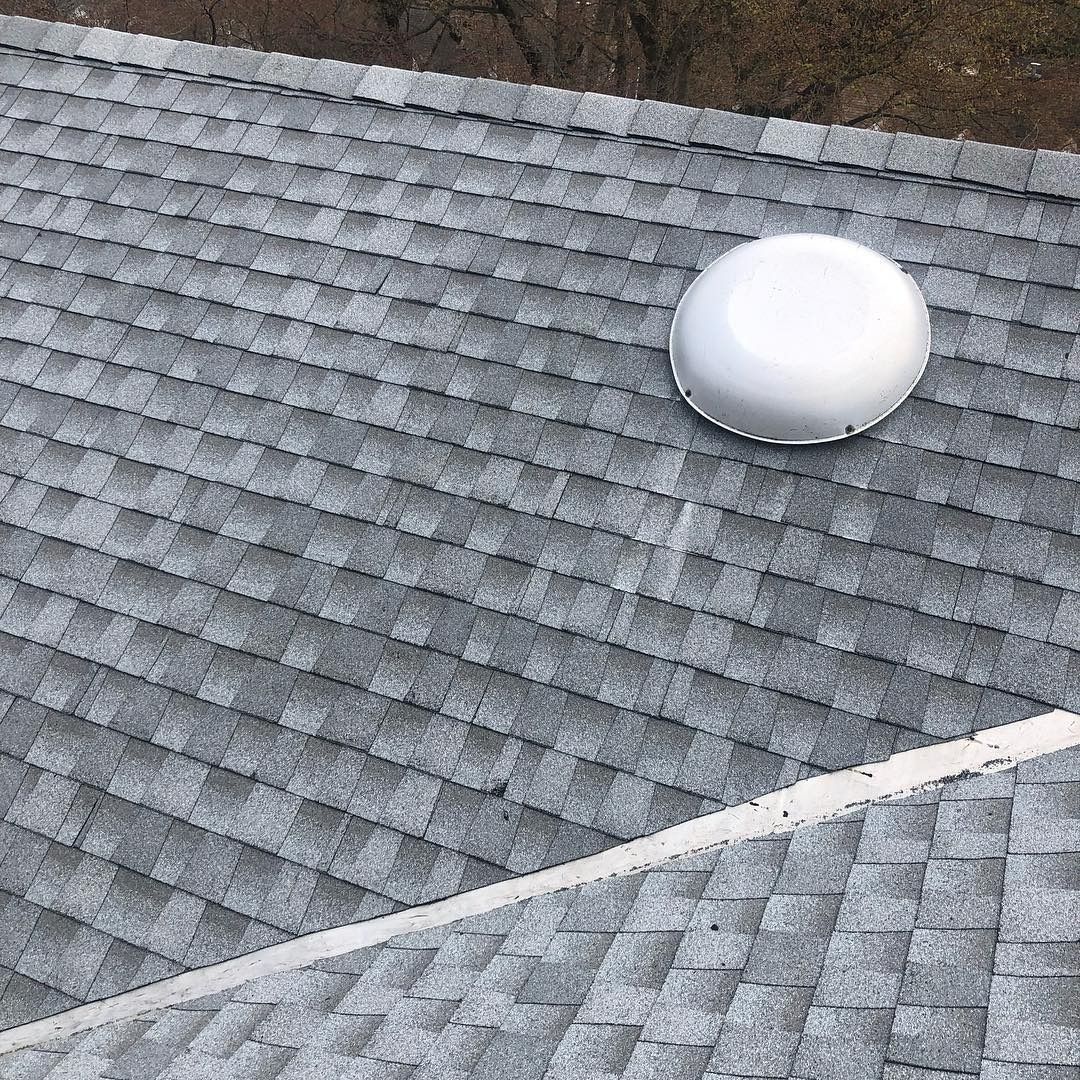
White's Roofing & Contracting LLC installs new roofs across Philadelphia with material expertise covering rubber, shingle, and metal systems—matched to the specific structure receiving the work. Older rowhouses in neighborhoods like Germantown carry rooflines that have been patched and re-patched over decades, and arriving with the wrong material choice compounds that history rather than ending it. The consultation begins before a single shingle is quoted, with an attic inspection that reveals how the structure has been performing underneath the surface.
The process starts with a material selection consultation based on attic conditions and roof exposure before any tearoff begins. For flat or low-slope roofs—common on commercial buildings and many Philadelphia rowhouse additions—rubber roofing is the primary system, and White's Roofing handles skylight integration within that tearoff and reinstallation sequence. Pitched residential roofs are evaluated for shingle type based on the decking condition found during the attic assessment, ensuring the new surface is applied to a substrate that can support it properly.
Schedule an on-site attic inspection to identify which system fits your building's structure and exposure before committing to a material..
How Material Selection Drives Installation Outcomes
Philadelphia's housing stock includes an unusually high proportion of attached and semi-attached structures—rowhouses, twin homes, and mixed-use buildings—where roof geometry varies sharply between the street-facing pitched section and the rear flat addition. These two surface types require completely different installation systems, and a roofing contractor who handles only one or the other creates a gap in coverage. White's Roofing works across both geometries, treating the full roof plane as a single water management problem rather than two separate jobs.
After installation, you'll notice water shedding cleanly off edge lines rather than pooling at transitions, and interior attic temperatures that reflect proper ventilation rather than trapped heat from a poorly seated deck. Skylights reinstalled during a rubber roof project sit flush with a continuous membrane below them, eliminating the gap that most leak calls trace back to.
What Property Owners Ask About Roof Installation
These questions reflect what comes up most often when property owners are evaluating a new roof installation on Philadelphia's varied building types.
What happens during the attic inspection before installation begins?
The attic assessment identifies decking condition, existing ventilation, and any moisture damage that would affect how the new roof performs—issues found at the surface rarely tell the full story, and skipping this step leads to new materials applied over compromised structure.
How is the right roofing material selected for a specific building?
Material selection is driven by roof pitch, surface geometry, and the attic findings—flat and low-slope surfaces call for rubber membrane systems, while pitched sections are evaluated for the appropriate shingle type based on decking and exposure.
Why does skylight integration require special handling during a rubber roof tearoff?
Skylights penetrate the membrane layer, and if they are not removed and reset as part of the tearoff, the new membrane cannot run continuously beneath the curb—leaving a seam that water will eventually find.
What does the finished installation look like at the edge lines and transitions?
A correctly installed roof shows clean, tight terminations at fascia edges, step flashing seated fully against wall surfaces, and no visible gaps at any penetration point—these are the details that separate a long-lasting system from one that begins leaking within a few seasons.
How does the construction era of a Philadelphia rowhouse affect the installation sequence?
Rowhouses built before the mid-twentieth century often have board sheathing rather than plywood decking, which changes how underlayment is fastened and whether a full deck replacement is needed before the new surface goes down—this is confirmed during the attic inspection.
White's Roofing & Contracting LLC has been installing roofs in Philadelphia for eight years across the full range of the city's building stock. White's Roofing & Contracting LLC also performs roof installation in Bristol and across the Delaware Valley. Request an attic inspection and material consultation to start the process with an accurate scope in hand.